The Boats Down the Coast

Where Our Seafood Comes From

Most of the seafood on the Kaio menu is brought in by traditional fishing boats that work the Paje lagoon before dawn every morning. This piece explains how that direct sourcing pipeline operates on the sand and why it transforms the flavor of the dish on your plate.

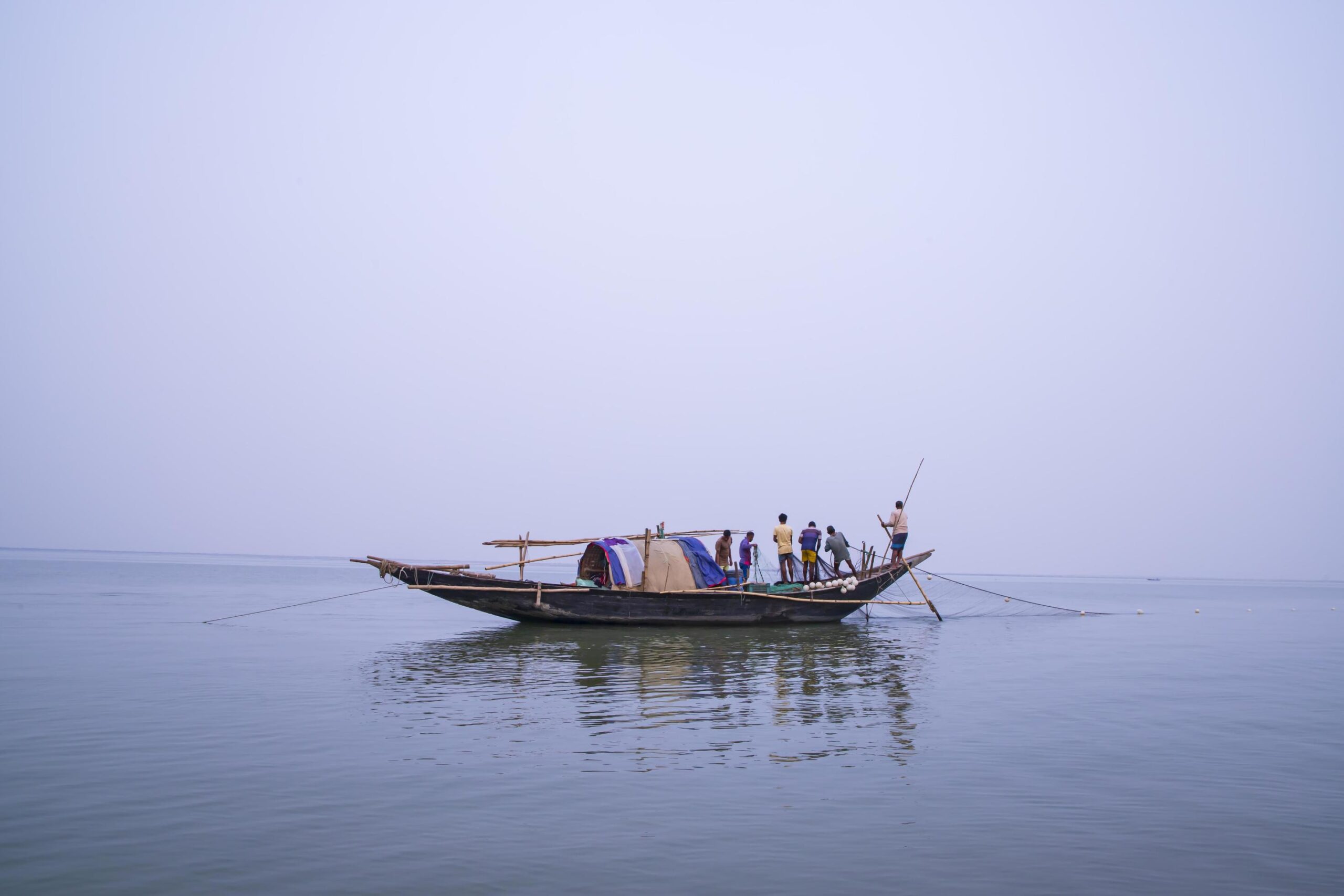
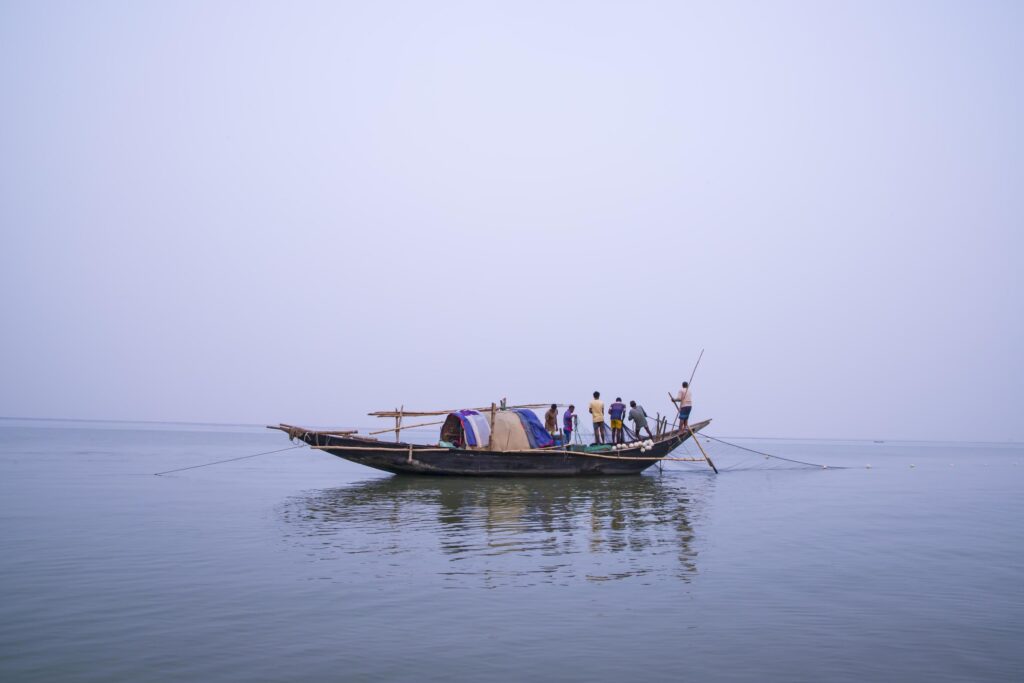
If you sit on the upper floor of Kaio and look south along the beach line, you will see a stretch of coast just a hundred meters from our dining pavilion where traditional wooden fishing boats sit pulled up on the sand. Some mornings there are five or six; other days, an entire small fleet lines the shore.

These boats are modest – typically three to five meters long, featuring hand-painted hulls, a single wooden mast, and a classic triangular lateen sail. They have been working this specific reef line, in roughly this exact form, for generations.

Most of the fresh seafood on the Kaio menu comes straight out of those hulls.
How the Day Works on Paje Beach

4:00 AM

The local boats go out long before the sun hits the water. Most crews slide their hulls into the surf between 4:00 AM and 5:00 AM, depending heavily on the morning tide shifts. They sail out across the shallow lagoon toward the barrier reef line and beyond, sometimes working a few kilometers offshore, sometimes tracking deeper water.

7:00 AM

They arrive back on the sand between 7:00 AM and 10:00 AM. When the hulls touch the shore, the catch is sorted immediately on the beach. Part of it goes to the open-air market inside Paje village, part goes to local families, and the premium selections come directly to Kaio.

daily operational routine

This is not a romantic marketing exaggeration. It is our daily operational routine.

The Catch

We have worked with several of these independent fishing captains on a first-name basis for years. They understand our kitchen’s strict quality benchmarks – what size of snapper we need, the exact texture we look for, and how the fish must be handled and shaded from the morning sun.

9:30 AM

On a typical day, our chefs walk down the sand around 9:30 AM, audit the morning’s catch right out of the nets, and select the finest fish for the afternoon service. The catch is carried back to our kitchen and prepared within minutes. Our daily seafood offerings are adjusted immediately based on this harvest, updated on our entrance board before the lunch service begins, and shared verbally by our staff when you sit down.

The Daily Catch Matrix

The species that arrive in our kitchen vary continuously by season, passing weather patterns, and the simple luck of the morning run. However, our menu frequently features these local staples:

01

Red Snapper (Pwedi)

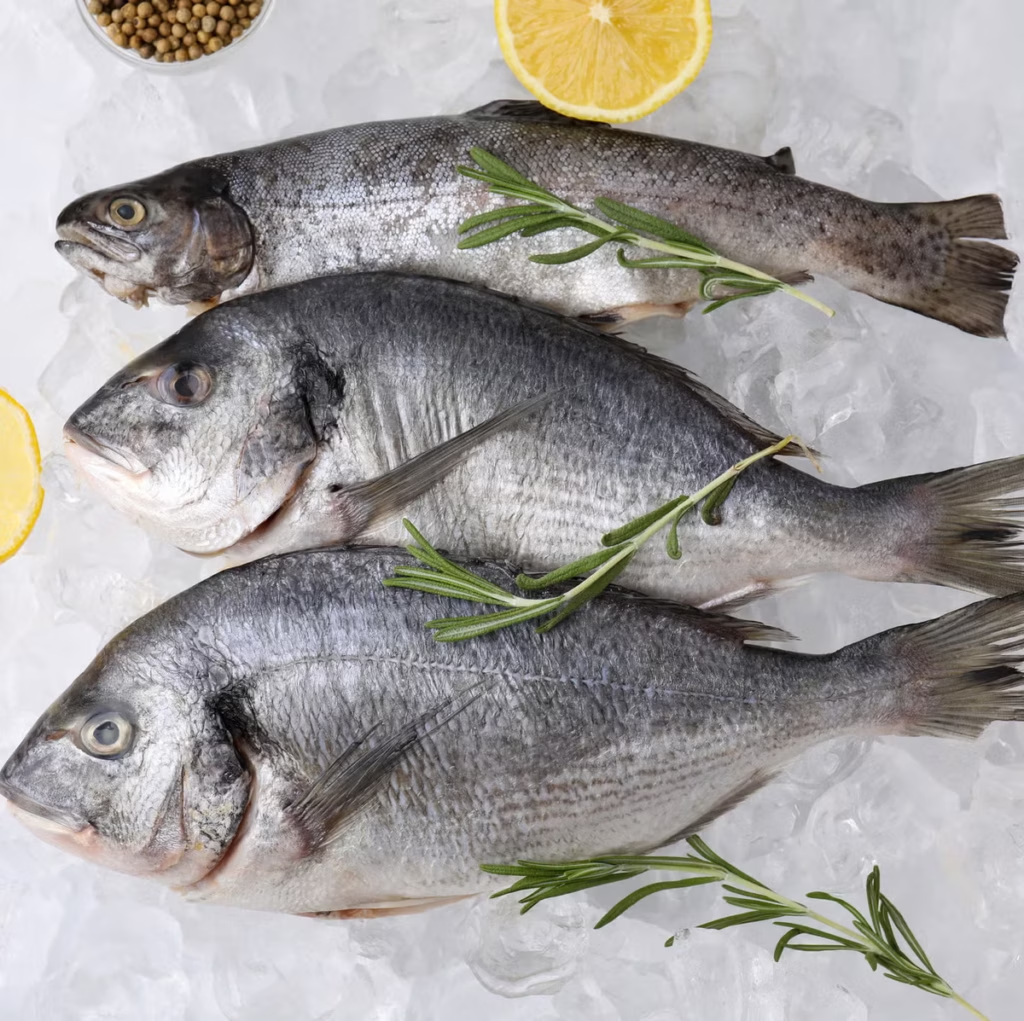
Firm white flesh with a clean, mild flavor. It is one of our most reliable options and is spectacular when served whole-grilled over charcoal with sea salt, premium olive oil, and fresh lemon.

02

Grouper (Tewa)

 A meatier, sweeter option than snapper. These are often generous enough to serve as a shared plate for two people.

03

Kingfish (Nguru)

Typically steak-cut rather than served whole. It features a richer, structurally dense meat that holds up beautifully to bolder Swahili spices and high-heat grilling.

04

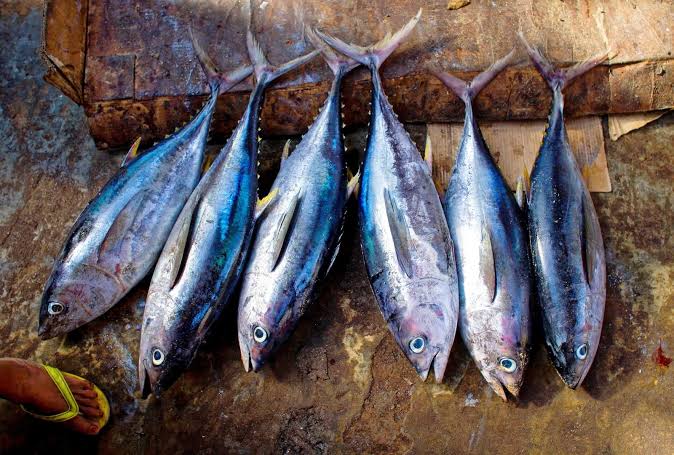
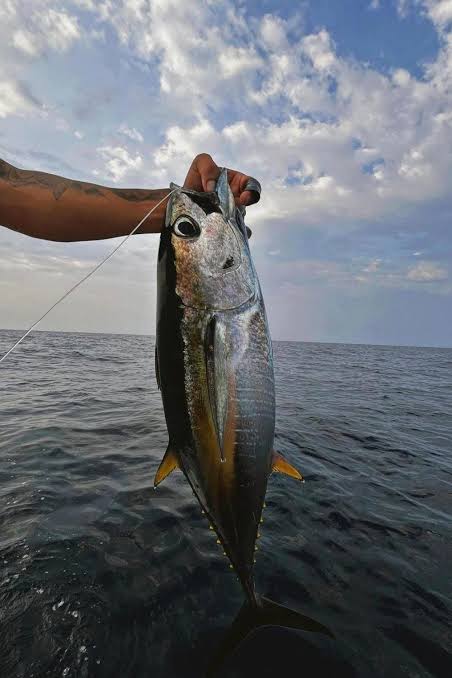
Yellowfin Tuna (Jodari)

When the deep-water boats bring this in, we serve it both grilled and raw as Tuna Carpaccio or Tartare. The textural difference between a tuna landed hours ago and one held on commercial ice trucks for two days is immense; we only serve raw options when the morning catch allows.

05

Parrotfish (Pono)

Sweet, delicate, and deeply traditional to the southeastern coast of Zanzibar. These are smaller fish, typically served whole per person.

06

Octopus (Pweza)

Harvested using traditional traps near the outer reef. It goes straight into our kitchen for a slow, low-temperature simmer to lock in tenderness before being quick-seared over open flames for a crisp finish.

Why Direct Sourcing Destroys the Wholesale Chain

Operating a direct-to-beach sourcing model requires more daily coordination than calling an industrial supplier, but the benefits are undeniable.

The Logistics of Flavour

Wholesale seafood in traditional restaurant supply chains moves through multiple handoffs: ice trucks, regional distribution warehouses, middleman brokers, and central packaging facilities. Even under perfect refrigeration, a typical restaurant fish is often two to four days out of the water by the time it gets cooked. The fish Kaio serves at lunch was swimming in the Paje lagoon at sunrise. The resulting brightness of flavor is unmistakable.

Accountability and Marine Integrity

Working directly with local fishermen builds a relationship based on mutual accountability. The captains who supply Kaio know our kitchen standards intimately. They tell us honestly when a particular reef species is under pressure and should be skipped for conservation, when a passing current has made a certain catch exceptional, or when we should pivot our menu options for the day. That level of transparency cannot be bought from a wholesale corporate catalog; it is forged over years on the same stretch of sand.

The View from Your Table

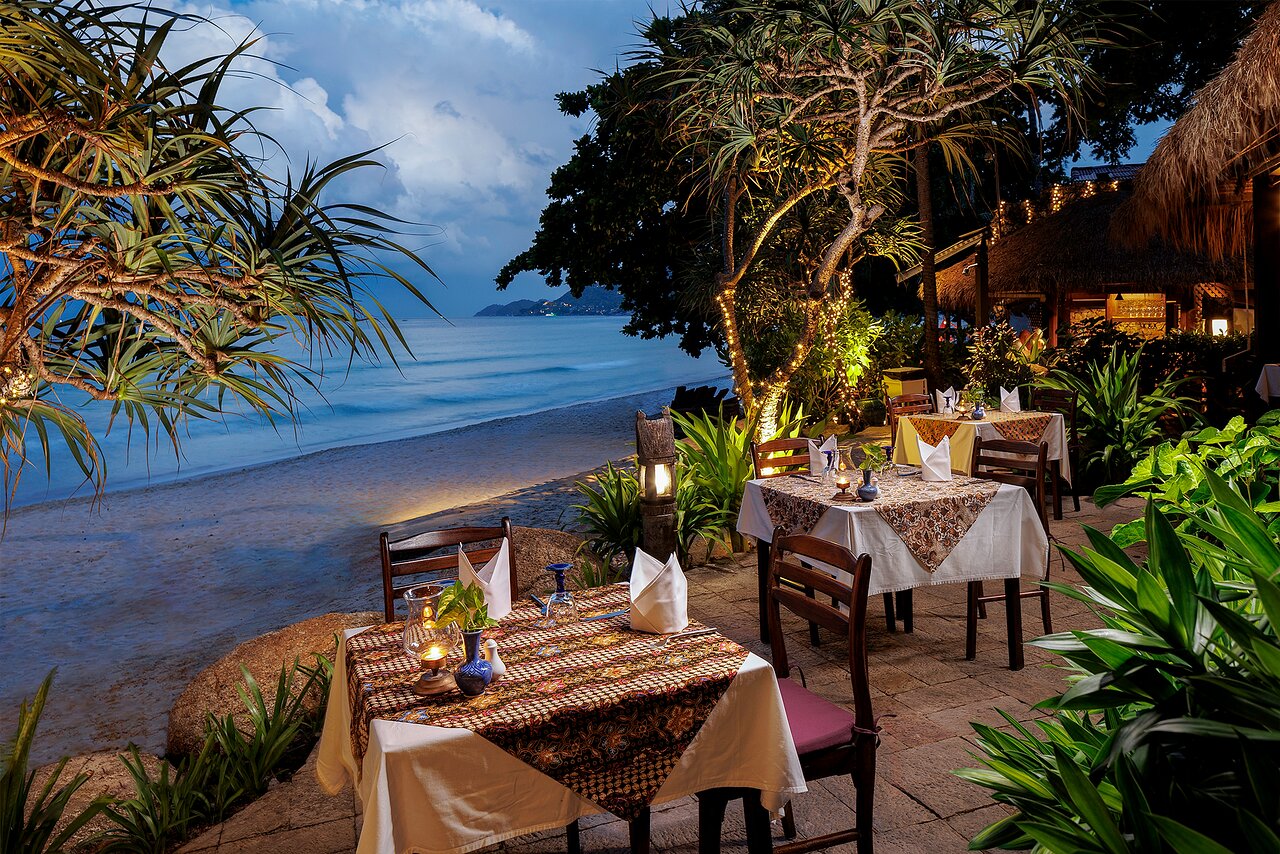
There is a distinct layout feature at Kaio that highlights this connection: the entire shoreline where these boats operate sits in full view of our dining decks.

From our upper-floor wooden terrace, you can watch the entire maritime rhythm unfold while you eat. You can see the sails coming back across the barrier reef in the morning, watch the hulls resting on the sand through the midday heat, and see the crews repairing their lines in the early evening.

When you order grilled fish or fresh octopus at Kaio, the very boat that brought that meal to the beach is often sitting right in your line of sight. It shifts the entire dining experience away from a typical resort restaurant into a tangible connection with the working coast.

Preserving a Generations-Old Swahili Tradition

The small-scale fishing community in Paje has sustained this coast for centuries. The boats are crafted locally from regional timbers, using design principles and sailing techniques passed down directly from grandfathers to fathers and sons. To dive deeper into the deep-rooted maritime heritage of these vessels, travelers can explore the historical preservation work documented by the UNESCO Intangible Cultural Heritage Registry.

While travelers often view the Paje lagoon exclusively as a world-class kitesurfing beach, it remains first and foremost a working ancestral fishery. The sprawling seagrass beds that keep our waters shallow, calm, and vibrant are the exact ecosystems that support the marine life these families rely on.

Sourcing directly from these crews keeps our business footprint completely integrated into the local food economy. Your resources go straight to the person who stepped onto the boat at 4:00 AM, supporting low-impact, sustainable, traditional artisanal fishing rather than industrial commercial trawlers.

Practical Notes for Your Meal

01

No Fixed Seafood Layout

Our seafood menu is fluid by design. The dishes we print are a stylistic framework; the actual fish species used change daily based on the beach landings. Your server will walk you through the morning’s catch when you are seated.

02

Market Pricing

Select premium items (like large groupers or seasonal lobsters) are priced dynamically according to the day’s abundance to keep rates fair for both the fishermen and our guests.

03

A Distinctly Clean Flavor

If you are accustomed to buying supermarket seafood, you will find true fresh-caught ocean fish flavors surprisingly clean and distinct. This is exactly how real seafood is intended to taste.

Quick Takeaways

From Lagoon to Table

01

The Dawn Departure

Paje’s local fishermen head out past the barrier reef between 4:00 AM and 5:00 AM daily, relying on handlines, small nets, and traditional traps.

02

Beachside Selection

Our kitchen team walks down the sand at 9:30 AM every morning to inspect the incoming catch, purchasing directly from the fishermen we know by name.

03

Dynamic Daily Menu

Because our supply chain depends entirely on nature, our seafood menu changes every single day based on what the ocean provides.

04

Direct Economic Support

Buying right on the beach eliminates corporate middlemen, ensuring our financial resources stay entirely within Paje’s independent fishing families.