How a Zanzibari Kitchen Mastered the Craft in Three Months

Two Italian chefs –  three months

Two Italian chefs spent three months in Paje before Kaio opened. Their only job was to teach our local kitchen team every detail of authentic Italian cooking, especially pizza dough and pasta sauces, so they could do it perfectly on their own. This is how they did it.

When we were planning Kaio, we made a big decision about our kitchen. Instead of hiring an expat Italian head chef to run things forever, or just giving our local team a book of recipes to follow, we brought two professional chefs over from Italy for three short months. Their goal? Teach our Zanzibari kitchen team everything they knew about making great food, and then head home.

This hands-on training is the exact reason our pizza crust, rich sauces, and pasta taste just like they came straight out of a traditional kitchen in Italy.

Why We Chose This Path

The first way is to hire an Italian head chef to run the kitchen indefinitely. The food stays consistent while they are there, but the restaurant becomes completely dependent on them. If that chef leaves, the flavors change overnight.

The second way is to write down recipes on cards and tell a local team to follow the steps. This is much cheaper, but recipes alone can’t teach you the small secrets that make Italian food special. A piece of paper can’t tell you exactly how smooth a pizza dough ball should feel in your hands, or the exact second a sauce looks and smells right before you pull it off the fire.

We chose a third option: a fast-paced, hands-on apprenticeship. We wanted to pass these instincts directly to our permanent local team so they could hold the standards high all by themselves for years to come.

Most Italian restaurants outside of Europe pick one of two ways to run their kitchens, and both have some downsides.

The Italian Chefs and Their Stay in Paje

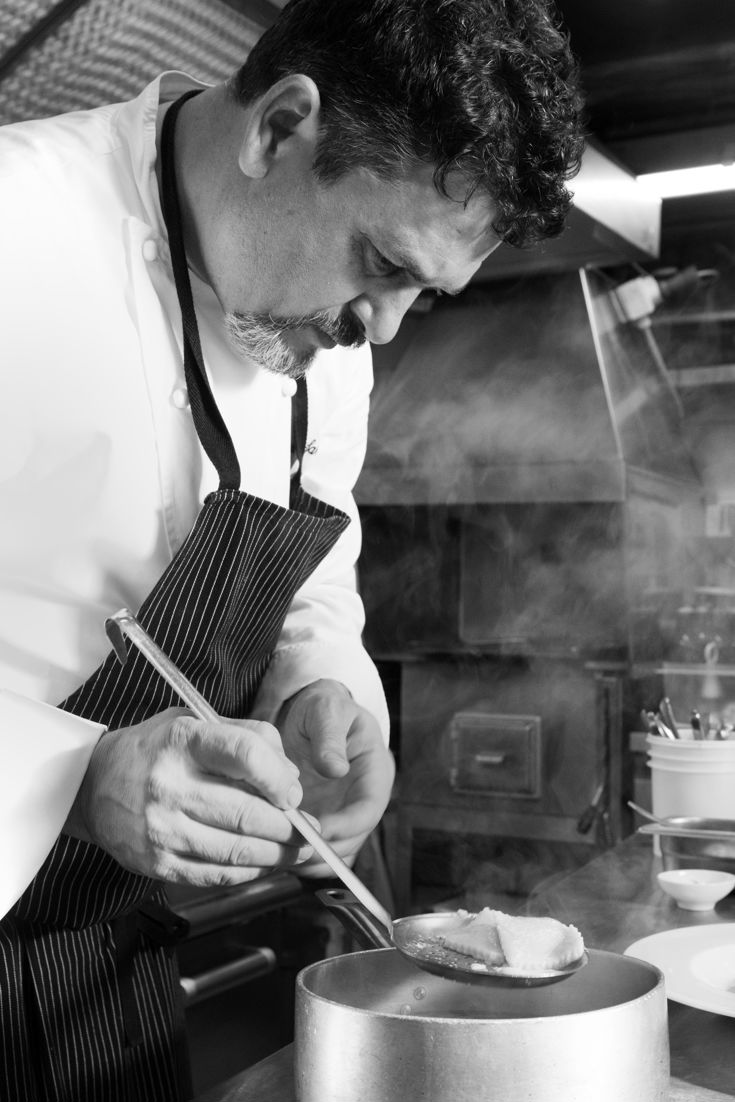
Our visiting chefs, who prefer to keep their names private so the spotlight stays entirely on our local team, brought years of experience running serious Neapolitan pizza ovens and classic kitchens. Crucially, they were great teachers who knew exactly how to spot a small mistake in a cook’s hand movement and fix it on the spot.

When they arrived in Zanzibar, they moved into their rooms just down the beach at the 55-room luxury Alaïa resort and went straight to work. For 90 days straight, they cooked and prepped alongside our team before heading back home to Italy.

Inside the 12-Week Kitchen Boot Camp

We didn't realize how much care went into a simple tomato sauce until the chefs made us cook it five times in a row," says one of our local line cooks. "They taught us that a dish isn't ready just because a timer goes off - it's ready when it looks, smells, and tastes exactly right.
01

Phase

Gathering the Tools (Weeks 1–2)

The residency started with the chefs looking closely at our kitchen setup, our ovens, and our ingredients. They quickly figured out what we could pick fresh from the farms in Zanzibar and what absolutely had to be shipped in from Italy.

They were uncompromising about the basics: real Italian “00” flour was required so the pizza dough could rise slowly for 48 hours, and they insisted on specific brands of traditional Italian pasta. They chose pasta made with “bronze dies,” which leaves the noodles with a rough surface that holds onto sauces much better than smooth, cheap supermarket pasta.

02

Phase

Learning the Basics (Weeks 3–6)

Next came the hard work at each kitchen station. Over at the pizza counter, the team practiced mixing ratios, watching the dough rise, and mastering the art of hand-stretching the crust without tearing it.

Meanwhile, the pasta cooks practiced getting the salt levels in the boiling water exactly right, hitting the perfect al dente (firm to the bite) texture, and learning how to toss the pasta directly inside the sauce pan so everything coats evenly before plating.

03

Phase

Stepping Back to Watch (Weeks 7–12)

During the final month, the Italian chefs stepped back and let our local team run the kitchen by themselves. They watched every plate that went out, looking for any spots where a cook was guessing rather than being precise. They made the team repeat techniques over and over until it was flawless.Our policy extends to our cooking. We do not use reduction wines, spirits, or beer in any of our gourmet sauces, doughs, or desserts.

Learning to Cook by Feeling, Not Just Rules

The biggest surprise for our kitchen team was how much the Italian chefs relied on their senses instead of exact measurements. While numbers matter, the chefs showed us that the hot, humid air on Paje beach changes how flour acts every day. That means a rigid recipe card will eventually fail if you don’t know how to adapt.

Our team learned to look for natural signs: the sound of the boiling water, the stretchiness of the dough under their palms, and the shine of the olive oil when the pan hits the perfect heat.

The chefs were also incredibly picky about fresh herbs. They spent days visiting local organic farms with our cooks, picking basil by hand and smelling the leaves to see if they had enough natural oils. They didn’t just give our team a list of recipes; they taught them to respect the ingredients.

Keeping the Standards Alive

When the chefs packed up for Italy at the end of the three months, they left behind a fully confident kitchen. Today, our team still cooks exactly the way they were shown: our pizza dough rises for a full 48 hours, our pasta is served perfectly al dente, our pizzas are stretched strictly by hand without rollers, and our stone oven stays at a blistering high heat.

We keep our quality from slipping through two simple realities:

01

Our Team Stayed Together

The same local cooks who went through the original boot camp are still running our kitchen lines today. The knowledge stays right here in the building with the people.

02

Twice-a-Year Check-ins

To keep us sharp, our Italian teachers return to Alaïa twice a year. They spend a few days eating our food, standing in the kitchen, and catching any tiny details that might have drifted before it affects your dinner.

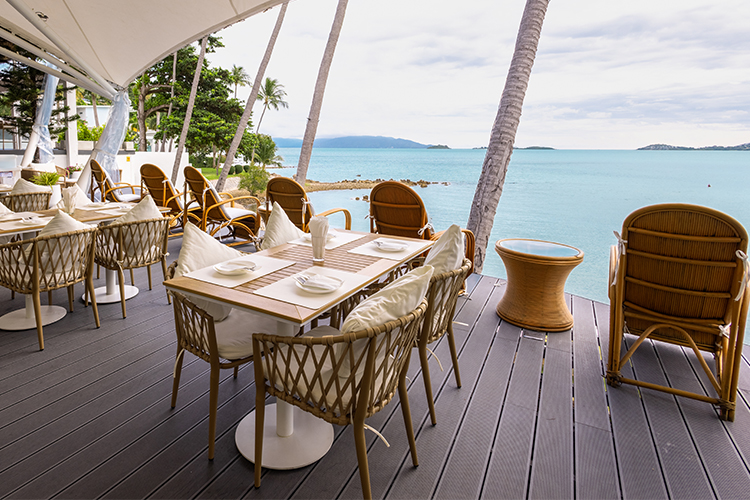
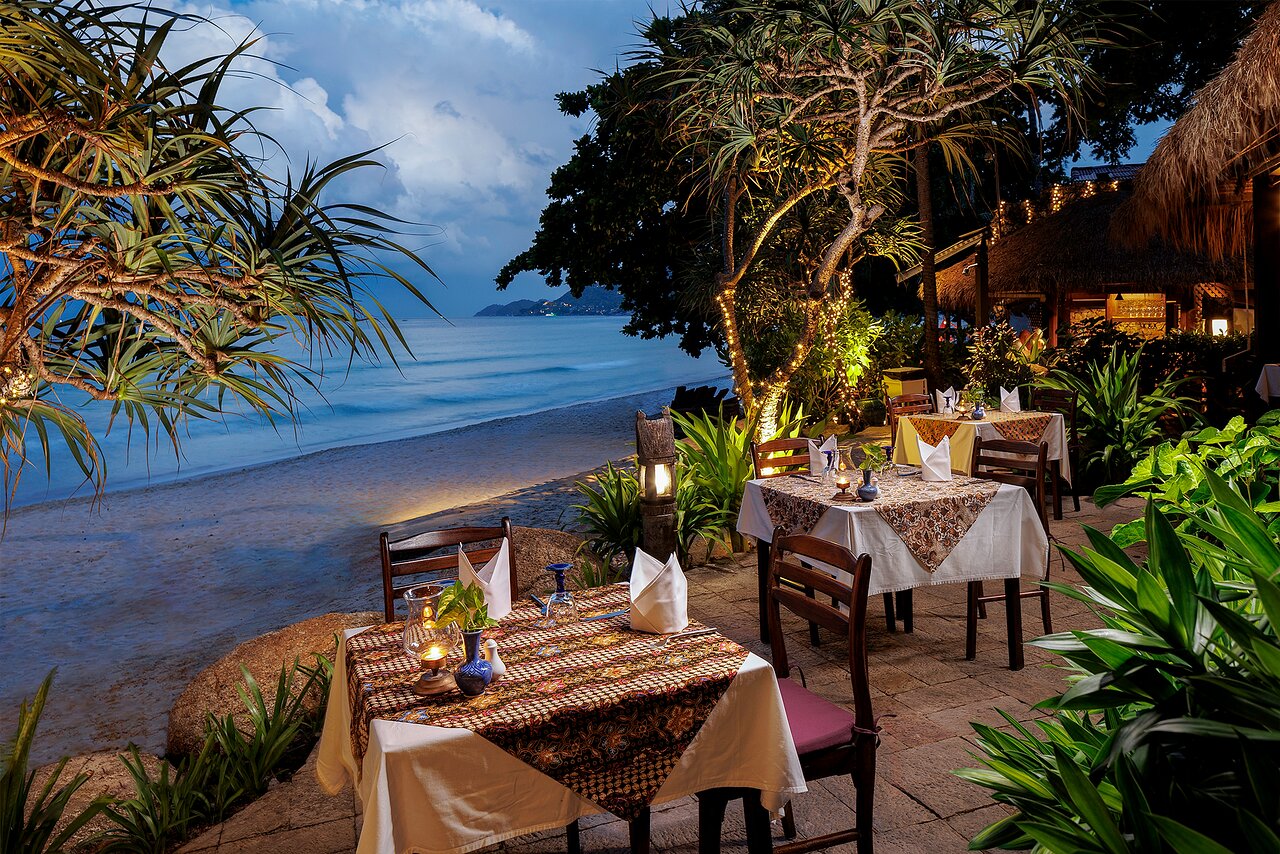
This training system is the quiet secret behind Kaio. When you enjoy a slice of pizza or a plate of seafood pasta on our terrace, you’re tasting real Italian techniques kept alive by a proud Zanzibari team.

Quick Takeaways

The Science Behind Our Crust

01

Cooking Side-by-Side

The training set up a permanent pipeline to import real Italian “00” pizza flour, olive oil, and authentic Italian-made dried pasta.

02

The Right Ingredients

Resting the dough in a temperature-controlled environment for up to two days allows the yeast to develop complex, slightly tangy flavor compounds while breaking down starches for easier digestion.

03

Learning to Cook by "Feel"

Our cooks learned to rely on their senses rather than strict kitchen timers, learning to feel the bounce of the dough and smell when a sauce is perfectly ready.

04

Twice-a-Year Check-ins

To make sure our quality stays high, the original Italian chefs come back to Zanzibar twice a year to taste the food and help us stay on track.